
 Key Takeaways
- Expert knowledge: Interpreting complex topics across mechatronics, pneumatics, and electrical engineering.
- Mobility: Delivering interpreting for off-site training sessions at the manufacturer's headquarters (Krones Academy, Neutraubling).
- Industrial environment: Interpreting directly on the shop floor under high-noise conditions and strict HSE guidelines.
- Bridging the gap: Facilitating efficient communication between German service engineers and Polish maintenance teams.
- Technology: Working with technical documentation, electrical schematics, and machine HMI interfaces.
From bits to bottles: entering the hardware world
Following the successful SAP implementation project, our collaboration with Kompania Piwowarska reached a new level. Moving out of the office setting, we headed straight into the heart of the brewery — the packaging and bottling halls. The year 2014 was defined by machinery installation, specifically fitting new high-performance production lines supplied by world industry leader Krones AG.
My core task was to ensure seamless communication during key project phases: assembly, commissioning, and site acceptance testing (SAT). Interpreting on the shop floor — where line speeds reach tens of thousands of bottles per hour — requires fast reflexes and a thorough understanding of process engineering. Any mistranslation in sensor calibration procedures or valve setup instructions could lead to delays in installation and formal handover.
Mechatronics in practice: training in Neutraubling
The most demanding subject matter came during two two-week assignments at Krones headquarters in Neutraubling, Bavaria. These were not basic operator courses, but advanced technical workshops for mechatronics and automation engineers from the plant maintenance department.
The curriculum focused on in-depth diagnostics:
- Analyzing PLC controller logic.
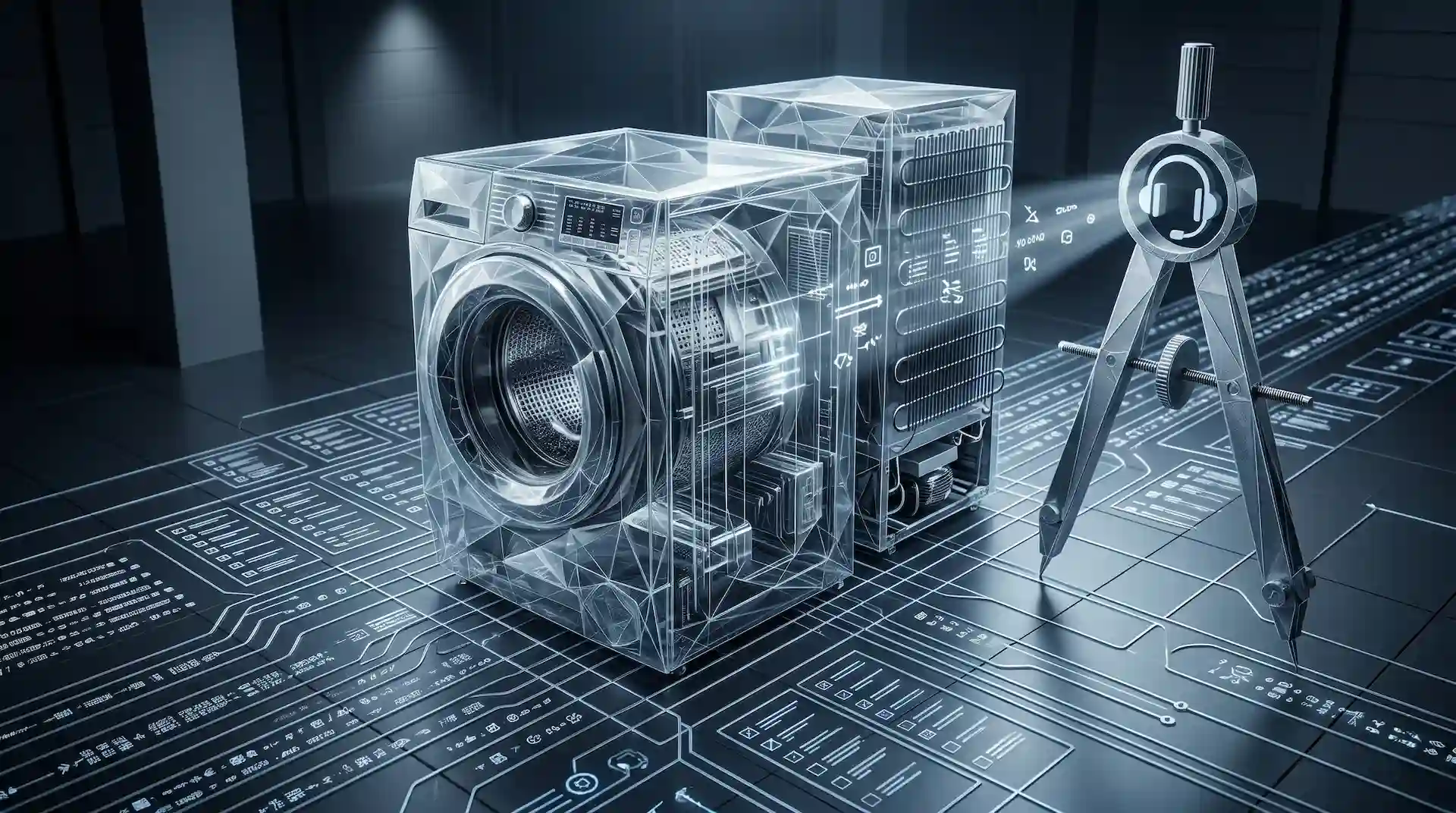
- Reading complex electrical and pneumatic schematics.
- Calibrating vision inspection systems (Checkmat bottle inspection).
- Replacing critical mechanical components (cams, servomotors).
Interpreting at the Krones Academy required mastering specialized engineering terminology on the spot, bridging German technical precision with practical Polish shop-floor vocabulary.
Challenges: Noise, pressure, and precision
Working alongside Krones installation crews calls for a distinct style of interpreting. It is not diplomacy — it is technical precision. Messages must be concise, unambiguous, and delivered in high-noise environments, frequently using TourGuide headsets.
This project expanded my knowledge and gave me hands-on expertise in mechanical engineering, which proved invaluable in subsequent assignments across the automotive sector. Insights gained from working with Krones machinery — covering frequency inverters, control valves, and feedback loops — paid dividends in every technical assignment that followed, including later projects for Mercedes-Benz.
Transitioning from training rooms at KP to the assembly halls of KRONES AG and the shop floor of the Poznań brewery was an incredible experience. It offered a firsthand look at the facilities where bottling lines, monoblocks, and bottle washers are designed and assembled, as well as the chance to see them running under full production conditions. Interpreting inside a massive centrifuge was a truly memorable moment, as were the weekend trips around Neutraubling with the brewery team.
Verified references